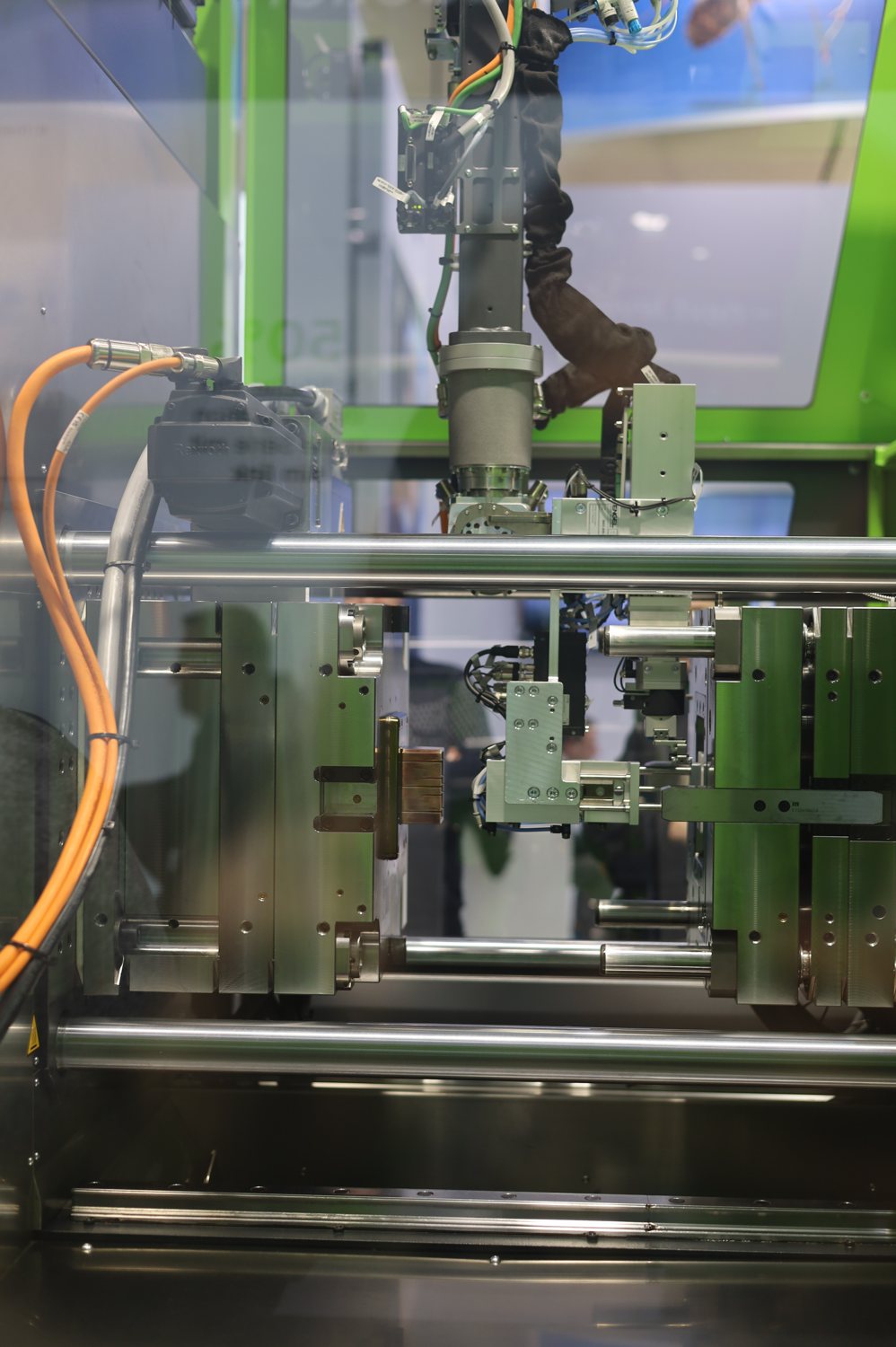
At BIC’s shaver plant in Athens, about 30 injection moulding machines are monitored in live production by ENGEL software. In a case study published on November 12, the supplier says the web version has been in use since September 2024. A trial on one machine began in 2019. The 30 monitored machines are part of a site with around 180 machines.
The iQ process observer analyses process data, flags deviations and prioritises recommendations. It can warn, for example, when a decompression setting exceeds the available cushion of material. Engineers assess the warning and decide whether to change the setting. The web version brings those warnings together instead of leaving them on individual machine panels.
The 95% figure covers more than one tool
ENGEL says overall equipment effectiveness, or OEE, rose from 91–92% to a sustained 95% for more than a year. The measure combines availability, performance and quality. The case study attributes the result to a combination of tools, including iQ process observer, without isolating what the AI contributed.
The specific change is that engineers can see where to investigate before a deviation becomes costlier. How much of the overall improvement came from that step remains open.
Our sources
- 95% OEE through digital process intelligence ↗ENGEL · 12 November 2026 · Checked 15 November 2026
AI tools assist our editors. Articles are published after human approval. Practical examples are ΠΕΡΑ analysis unless stated otherwise. How we work