Every three hours, the forecasting system described by KISTERS for Greek electricity supplier PPC updates its estimate of demand in Greece. It looks seven days ahead, with a separate estimate for each hour. PPC uses it in procurement and trading, according to the vendor’s case study, which does not say when the system went live.
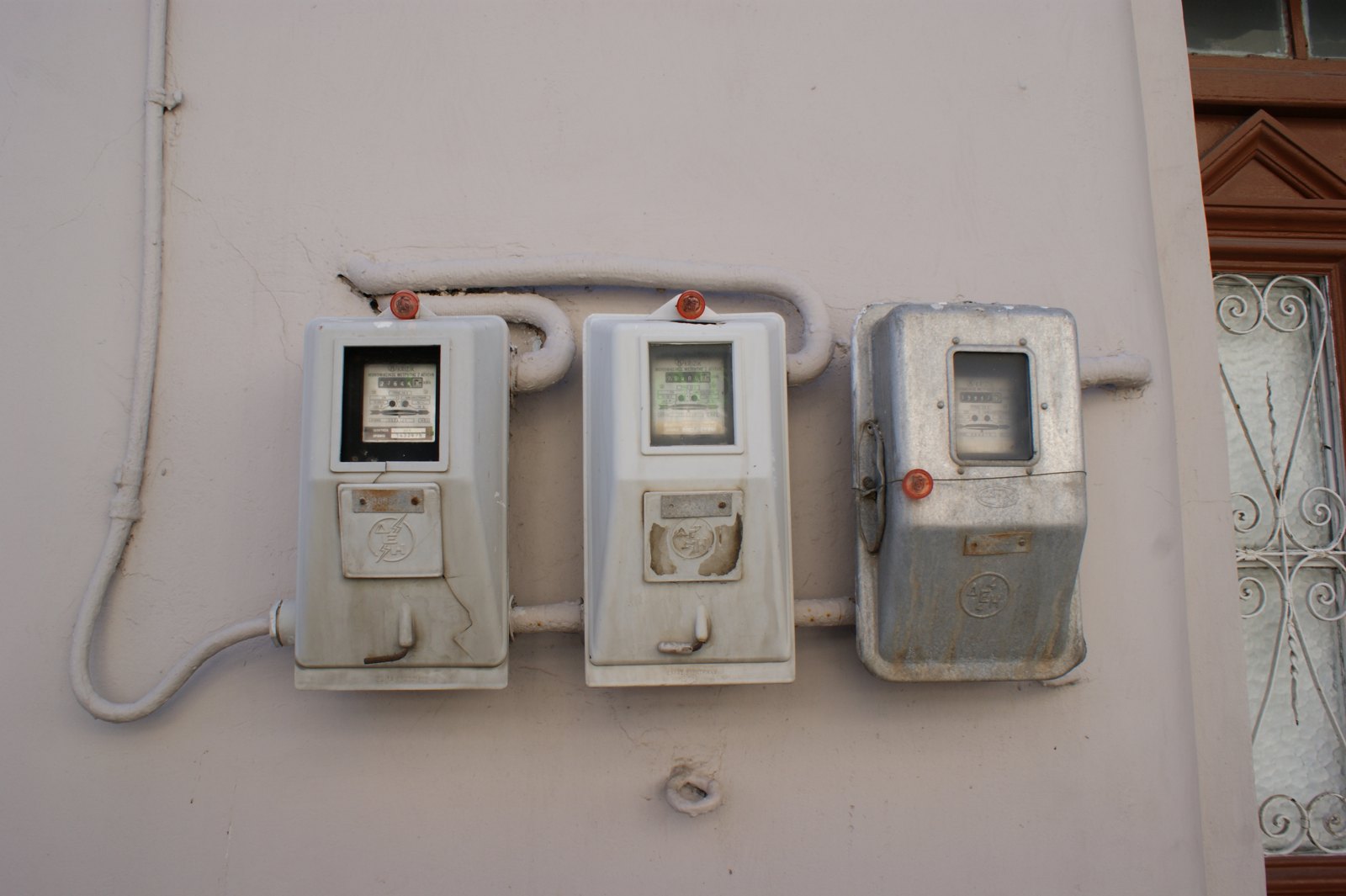
The infrastructure described by KISTERS manages consumption time series from about 10,000 medium- and high-voltage points with load-profile meters. The case study also mentions about six million low-voltage contracts in the wider system. Those are different measures: a low-voltage contract is not equivalent to a point supplying the same metering data.
A forecast for the trading desk
BelVis PRO builds its short-term forecast from individual inputs and combines them into a broader picture of demand. The estimates support decisions in day-ahead and intraday markets. Konstantinos Sofos, a PPC executive responsible for demand forecasting, describes in the case study how faster data processing helps inform the company’s trading strategy.
The published account gives no comparable error rate or financial result from before and after deployment. It does document a specific task that has been automated: producing regular forecasts from large volumes of data. Applying those forecasts in the market remains the work of the trading team.
Our sources
- Rapid mass data analyses, precise sales forecasts at PPC ↗KISTERS · Checked 10 November 2026
AI tools assist our editors. Articles are published after human approval. Practical examples are ΠΕΡΑ analysis unless stated otherwise. How we work