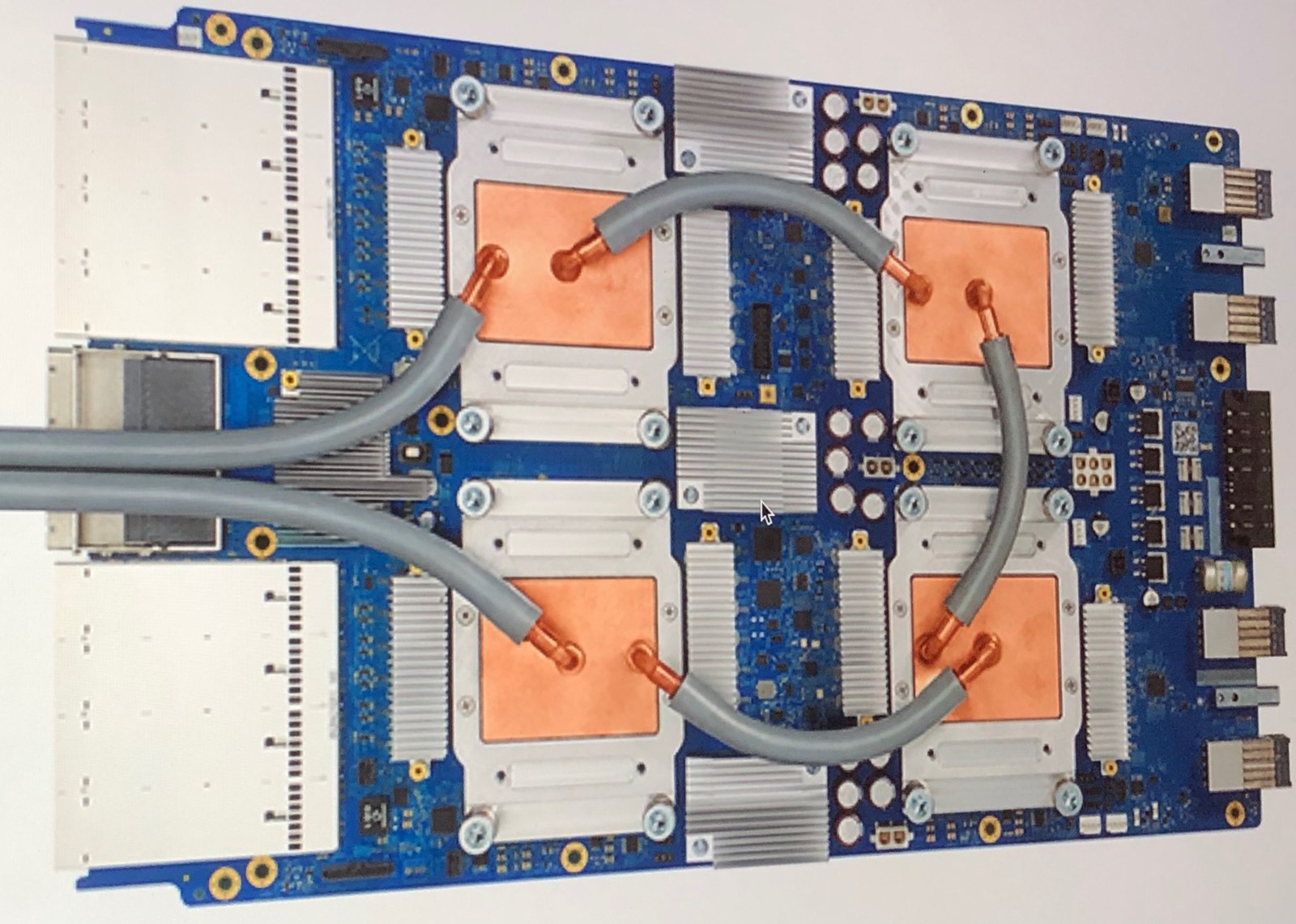
Google Cloud introduced two versions of its AI accelerators on November 9. The TPU 8tx is designed for workloads that need to protect data while it is being processed. The TPU 8i Max targets applications that need to keep a lot of context in memory, such as an assistant working across a collection of documents or tracking a complex task over many steps.
The 8tx uses the TPU 8t silicon alongside fifth-generation AMD EPYC processors. Google says the system protects both data and model weights while they are in use. That matters when an organization wants to run a model in the cloud with data it cannot expose to the underlying infrastructure. The protection applies to the execution environment; it does not, on its own, certify the application’s compliance.
The competition extends to software
The 8i Max pairs two chips and is designed to accommodate larger model contexts and pack more computing power into a rack. It joins the 8t for training and the 8i for low-latency model execution.
Google is also expanding compatibility with tools developers already use. TorchTPU, open-sourced the previous month, lets PyTorch code run on TPUs. A new toolkit for setting up and tuning the accelerators is in preview. The less code a team has to rewrite when moving to another accelerator, the easier it is to compare providers on the actual cost of doing the work.
Our sources
- Introducing TPU 8tx and TPU 8i Max ↗Google Cloud · 9 November 2026 · Checked 10 November 2026
- Google unveils new AI chip variants as cloud demand surges ↗Reuters via Euronext · 9 November 2026 · Checked 10 November 2026
AI tools assist our editors. Articles are published after human approval. Practical examples are ΠΕΡΑ analysis unless stated otherwise. How we work