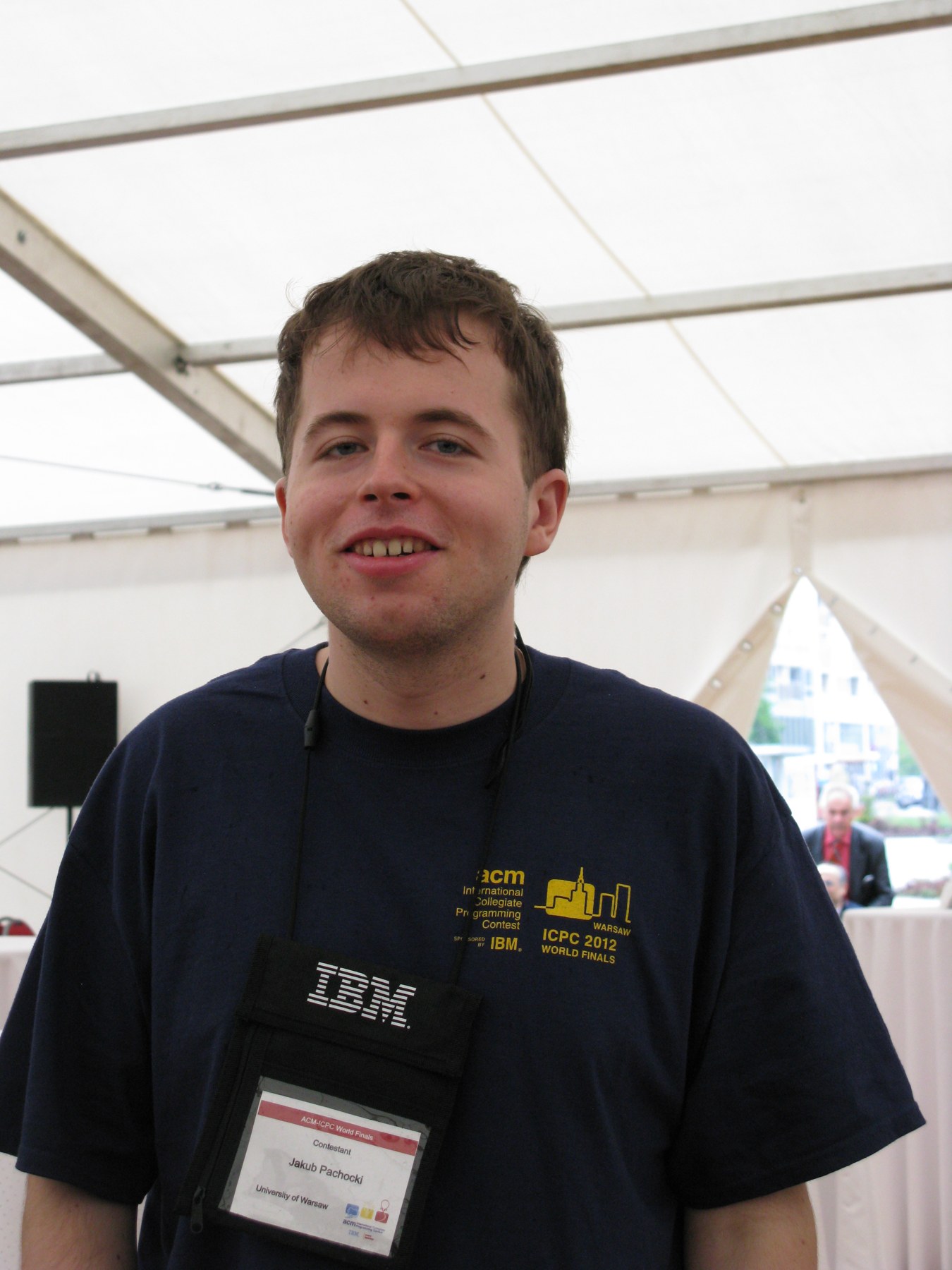
OpenAI chief scientist Jakub Pachocki proposed shared limits on the development of more powerful models on 22 November. The company disclosed internal pretraining measurements and argues that crossing agreed thresholds should depend on concrete progress in understanding and monitoring system behaviour.
The central measure is perplexity: how well a model predicts the next piece of text. Lower values mean better prediction. This remains a corporate proposal, rather than a binding industry agreement or a new regulation.
A metric cannot answer everything
The discussion meets an existing difficulty in assessment. In its independent investigation of Anthropic, published on 5 November, METR examined the acceleration of AI research itself. It also said the company had redacted much of the evidence it found most informative, citing competitively sensitive information.
That leaves two distinct demands for transparency: a common measure of technical progress, and sufficient evidence to scrutinise the conclusions. The first cannot substitute for the second. Numbers require a comparable context, while oversight requires access to how and where a system is used.
Pachocki acknowledges that different datasets complicate comparisons and that perplexity does not capture every capability improvement. The policy stakes are therefore institutional too: who would set the limits, who would verify the measurements, and who would decide that the conditions for another step have been met?
Our sources
- Perplexity and Intelligence ↗OpenAI / Jakub Pachocki · 22 November 2026 · Checked 23 November 2026
- Independent Assessment of AI R&D Acceleration at Anthropic in October2026 ↗METR · 5 November 2026 · Checked 23 November 2026
- OpenAI’s chief scientist has thoughts on how to limit AI development ↗TechCrunch / Anthony Ha · 22 November 2026 · Checked 23 November 2026
AI tools assist our editors. Articles are published after human approval. Practical examples are ΠΕΡΑ analysis unless stated otherwise. How we work