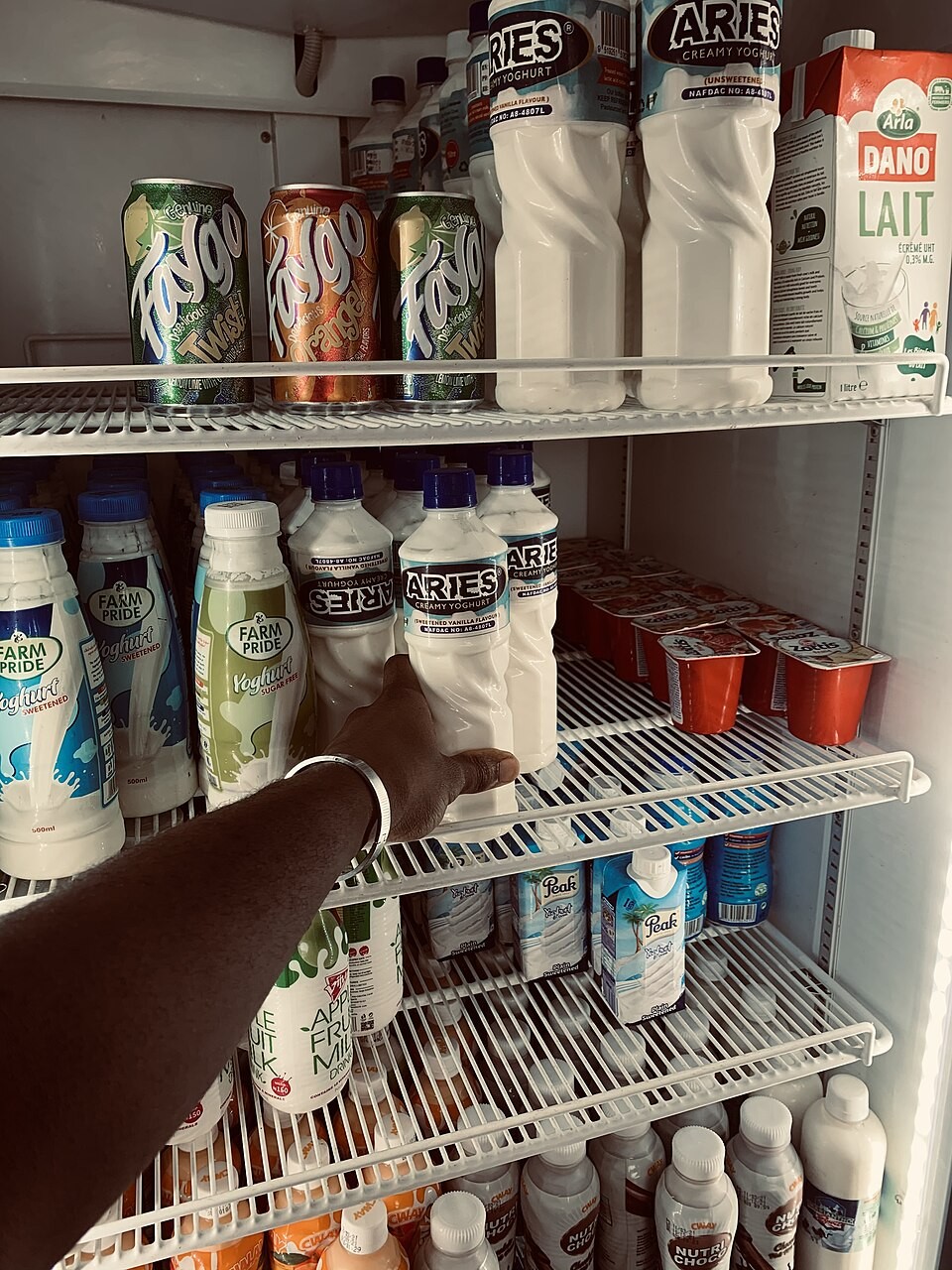
Refrigerators and freezers at European stores were targeted in a new wave of cyberattacks overnight on November 1–2. The Dutch National Cyber Security Centre confirmed attacks involving equipment from different suppliers, while businesses in several countries reported changed temperatures and disrupted cooling.
Euronews documented incidents involving supermarket chains and smaller shops, with businesses withdrawing food. The reports followed a similar attack in France in October. Those similarities do not by themselves establish a common perpetrator or an identical technical method.
According to the NCSC, vulnerable controllers exposed to the internet, or protected by weak and default passwords, can allow remote changes to settings such as temperatures and defrost cycles. That explains how a software intrusion can become a loss of physical inventory.
What the evidence establishes
Censys identified just over 1,000 exposed Danfoss StoreView installations worldwide. This measures visible services, not compromised refrigerators. Its estimate of firmware versions relies on timestamps in web responses and therefore does not replace a technical inspection of each installation.
The incident highlights how physical operations depend on remote access and shared supplier platforms. Recovery involves restoring system availability as well as dependable cooling. The attackers’ identity and the full extent of the damage remain under investigation.
Our sources
- Cyberaanvallen op koelinstallaties in Europa ↗Netherlands NCSC · 2 November 2026 · Checked 3 November 2026
- European refrigerator controller redux ↗Censys ARC · 2 November 2026 · Checked 3 November 2026
- Cyberattacks hit supermarket fridges and freezers in Europe ↗Euronews, Jonathan Benton and Pascale Davies · 2 November 2026 · Checked 3 November 2026
AI tools assist our editors. Articles are published after human approval. Practical examples are ΠΕΡΑ analysis unless stated otherwise. How we work