Hubble’s next major development may concern how to keep it in space. On October 29, NASA asked the commercial space industry for options to raise the telescope’s orbit, service it or bring it down through a controlled atmospheric reentry.
The announcement was published on October 30, with responses due by November 30. This is a Request for Information—an exploration of available solutions. No contract award, approved budget or selected mission has been announced.
The orbit is part of the problem
Hubble has no propulsion system of its own to raise its orbit. Atmospheric drag gradually brings it lower. NASA estimates reentry in 2033–2034 without intervention and is considering a possible mission by 2032.
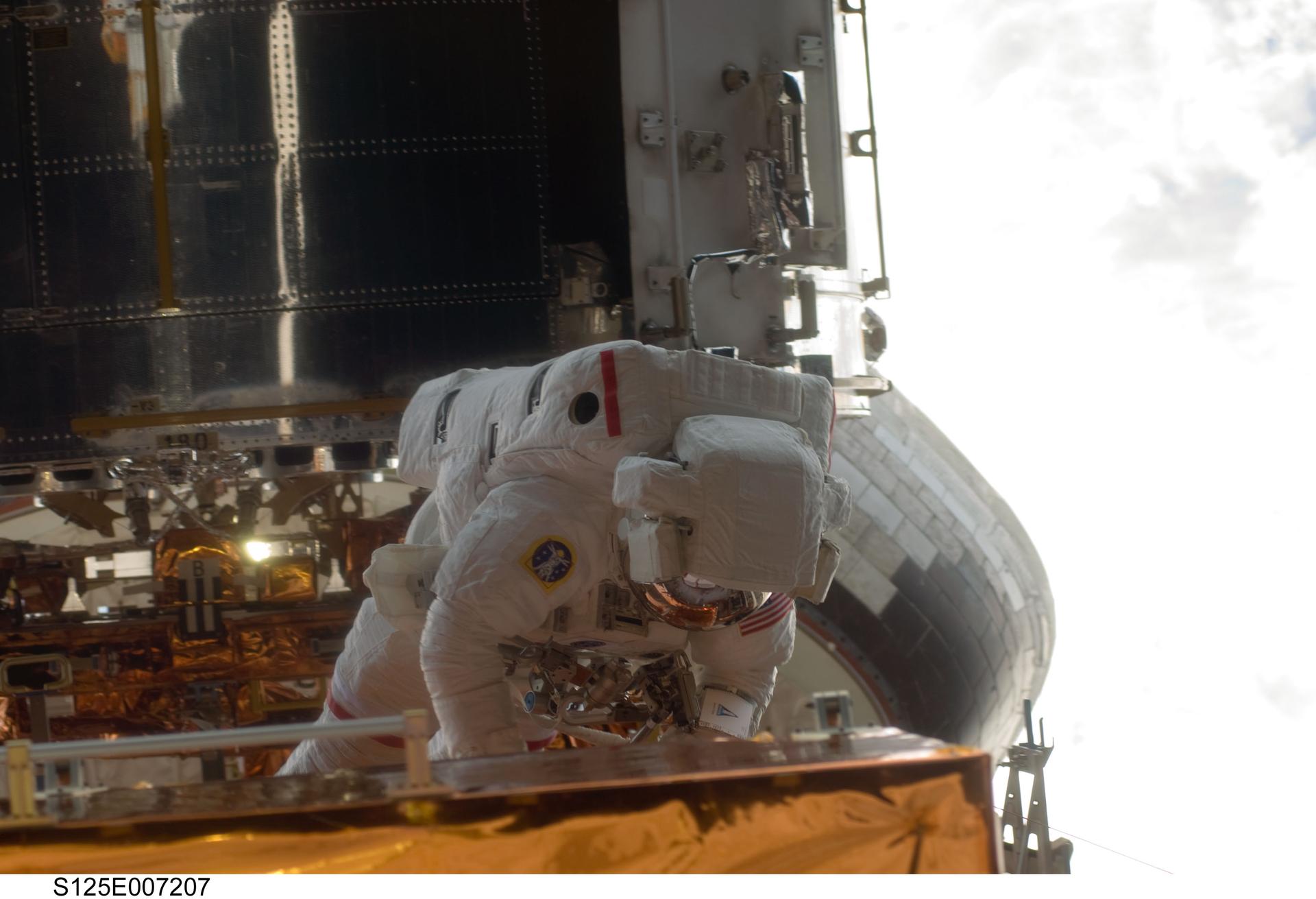
The telescope was designed from the outset to be serviced by astronauts. The last such visit was made by the space shuttle Atlantis in 2009. The new inquiry takes that question into a different market: which commercial solution could safely approach a valuable, existing scientific instrument?
An orbit boost and a repair are different undertakings, while controlled reentry serves another objective. The significance of the request is that it keeps those options open. A successful service could extend the scientific use of infrastructure that has already been built. Technical capability, risk and cost will determine whether the idea becomes an actual mission.
Our sources
- NASA Explores Potential Commercial Servicing for Hubble Telescope ↗NASA · 30 October 2026 · Checked 31 October 2026
- NASA ponders a Hubble servicing mission or a controlled deorbit ↗The Register · 30 October 2026 · Checked 31 October 2026
- S 125 E 007207 — STS-125 first servicing EVA ↗NASA · 14 May 2009 · Checked 31 October 2026
AI tools assist our editors. Articles are published after human approval. Practical examples are ΠΕΡΑ analysis unless stated otherwise. How we work