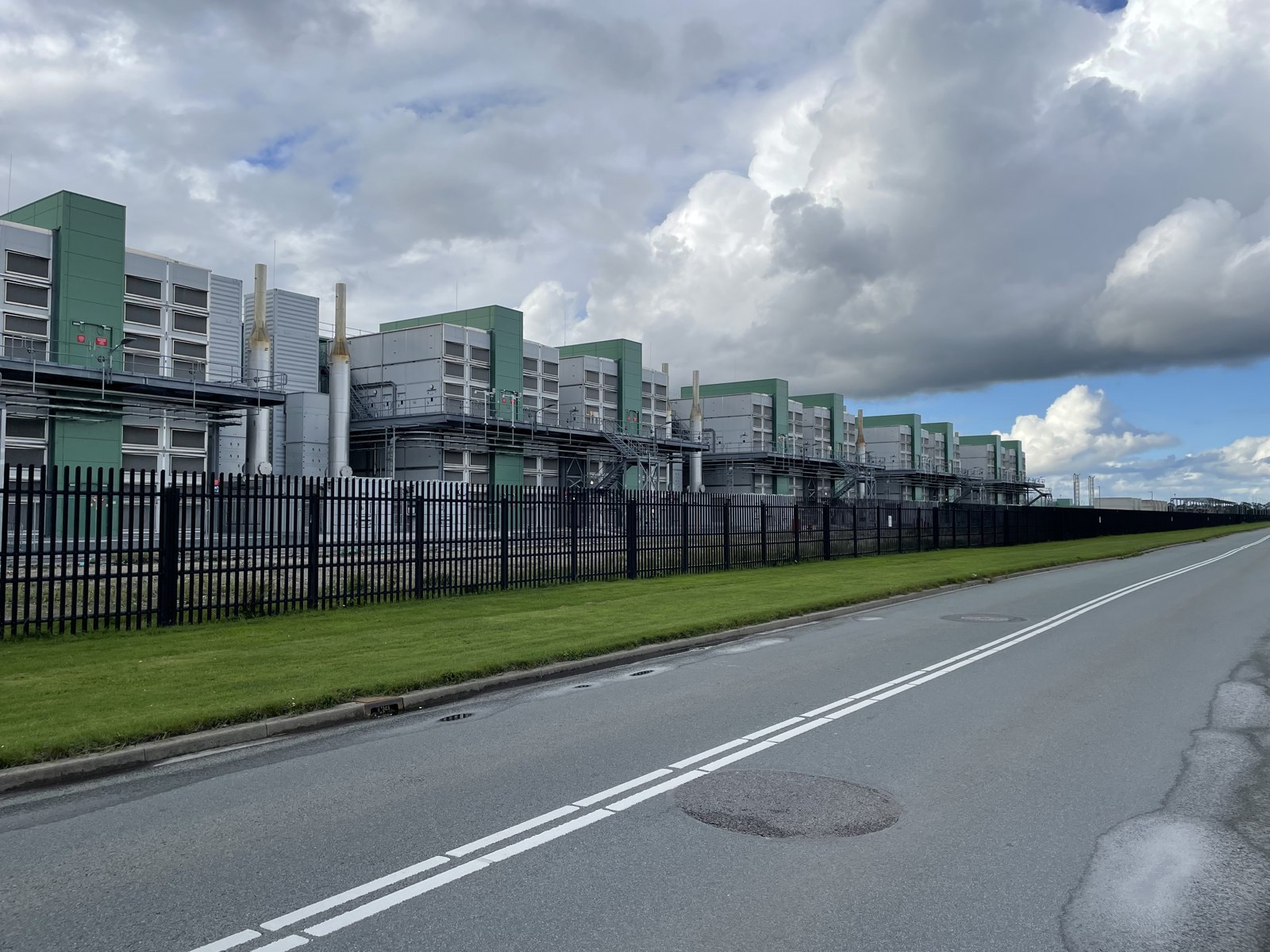
Activists entered a construction site in Amsterdam’s Sloterdijk district on Friday, 6 November, where a data centre is being built for Microsoft. Some climbed cranes, according to the Associated Press and local outlet NL Times. The protest coincided with the start of two days of European action over the impact of new data centres.
Different groups held actions at the site. The Guardian attributed the entry to Geef Tegengas activists and reported that people attending an associated Stop Dirty Data Centres action remained outside the fence. The network’s programme included a teach-in in Amsterdam and separate events in cities including Dublin and Warsaw. At the construction site, activists also linked their protest to services Microsoft supplies to government agencies.
Pressure on local infrastructure
Microsoft told the Guardian it respected peaceful protest and opposed actions that put safety at risk. Site owner Pure Data Centres asked those inside to leave safely and offered to discuss concerns about the development.
The European campaign’s organisers want a pause on large facilities, citing concerns including pressure on power grids and water resources. Reuters reported the other side of the debate: EU commissioner Henna Virkkunen said Europe needed its own computing capacity while protecting residents and the environment. The Amsterdam dispute shows where those interests meet: in the permits and infrastructure connections for individual projects.
Our sources
- Days of Action 6–7 November 2026 ↗Stop Dirty Data Centres · Checked 7 November 2026
- Activists break into building site of Microsoft datacentre in Amsterdam ↗The Guardian · 6 November 2026 · Checked 7 November 2026
- Protesters break into Microsoft data center site in Amsterdam ↗Associated Press · 6 November 2026 · Checked 7 November 2026
- Protesters break onto site of planned Microsoft data center ↗NL Times · 6 November 2026 · Checked 7 November 2026
- Activists breach Microsoft data centre construction site as protests spread in Europe ↗Reuters via Euronext · 6 November 2026 · Checked 7 November 2026
AI tools assist our editors. Articles are published after human approval. Practical examples are ΠΕΡΑ analysis unless stated otherwise. How we work