Mistral released improved weights for Mistral Large 4, nicknamed Le Chonk, on October 29. Organisations can now download the model and operate it on their own infrastructure rather than relying exclusively on a remote API. The release follows the public preview introduced earlier in October.
The model accepts text and images and produces text. Its official model card describes roughly one trillion total parameters, with about 52 billion active at each step, and a one-million-token context window. The architecture activates parts of the model for each computation; its overall size still requires substantial infrastructure.
The licence matters more than the label
Distribution uses the Mistral Ecosystem Open-Weight License, an MIT derivative with additional conditions. Use, modification and internal deployment are permitted. However, businesses operating as Model-as-a-Service providers require a separate commercial licence, subject to the text's precise definition and exceptions. A freely downloadable model is only one part of planning a commercial service.
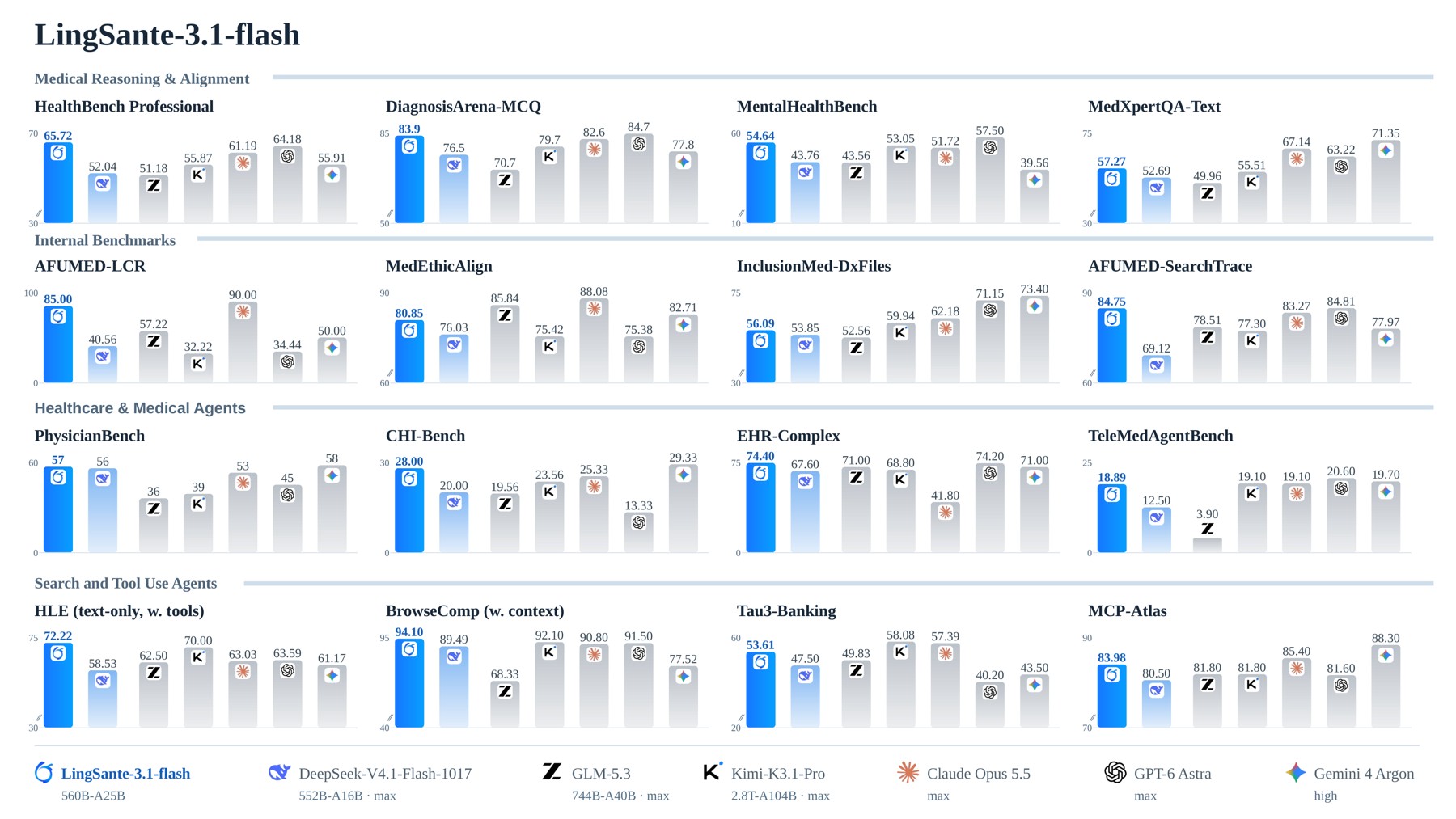
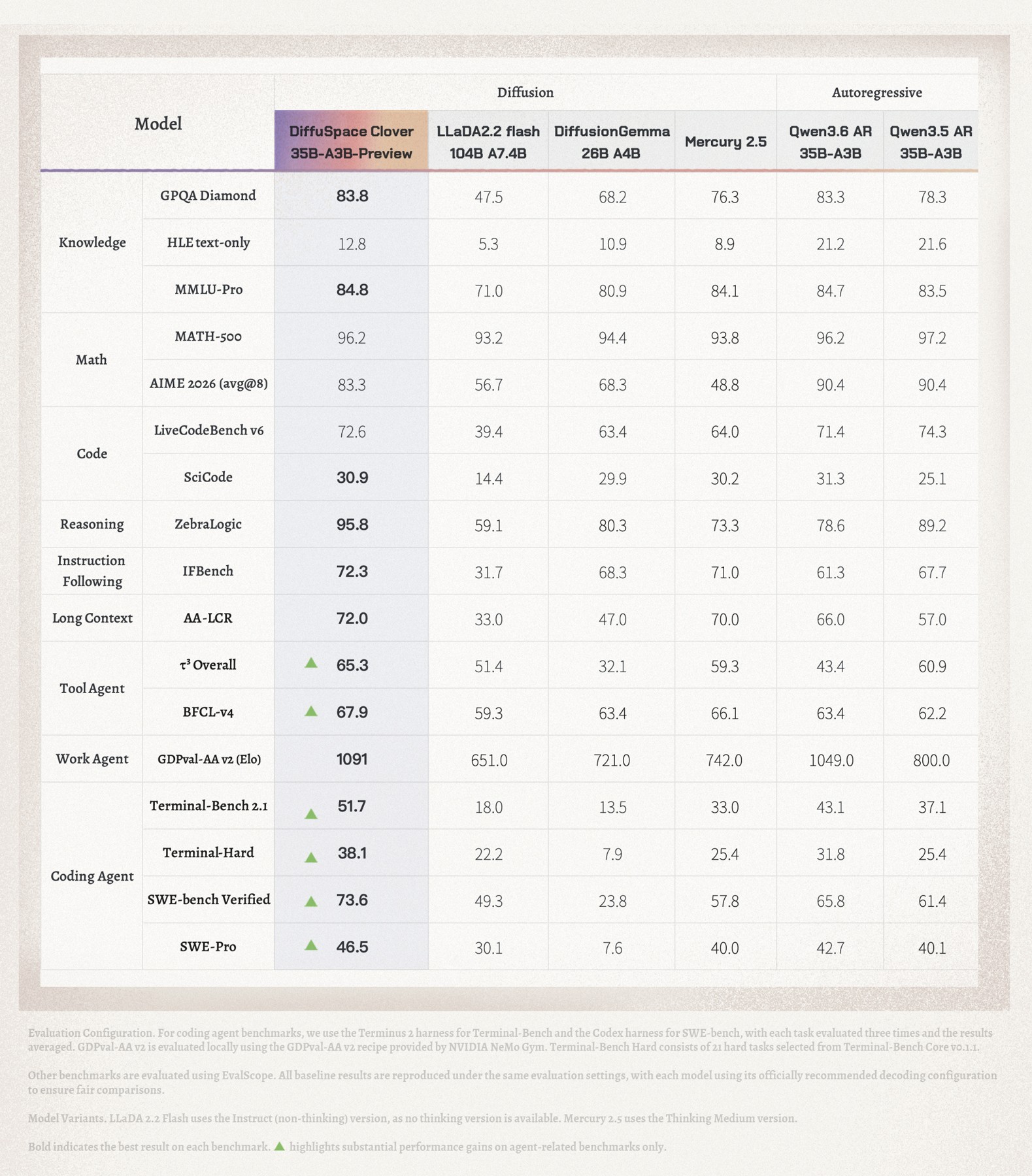
Mistral reports improvements in coding and defensive cybersecurity. The Decoder's independent reporting highlights an important distinction: strong results on particular coding tasks do not establish overall leadership. The aggregate Artificial Analysis index still places Large 4 below several Chinese competitors.
For European organisations, the strategic issue is control over deployment and customisation. Access to weights reduces one form of supplier dependence while transferring responsibility for operations, security and infrastructure costs to the organisation running the model.
Our sources
- Mistral Large 4 open weights ↗Mistral · 29 October 2026 · Checked 30 October 2026
- Model card ↗Mistral / Hugging Face · Checked 30 October 2026
- Licence ↗Mistral · Checked 30 October 2026
- Le Chonk coding and overall performance ↗The Decoder · 29 October 2026 · Checked 30 October 2026
AI tools assist our editors. Articles are published after human approval. Practical examples are ΠΕΡΑ analysis unless stated otherwise. How we work