Research company Physical Superintelligence (PSI) published a proof of the Aaronson–Ambainis conjecture on 6 November, addressing a problem that had been open since 2008. The team says it used an in-house research system powered by an unreleased Anthropic model. Alongside the manuscript, it posted a formal proof in Lean, software that checks whether each step follows from the declared rules and assumptions.
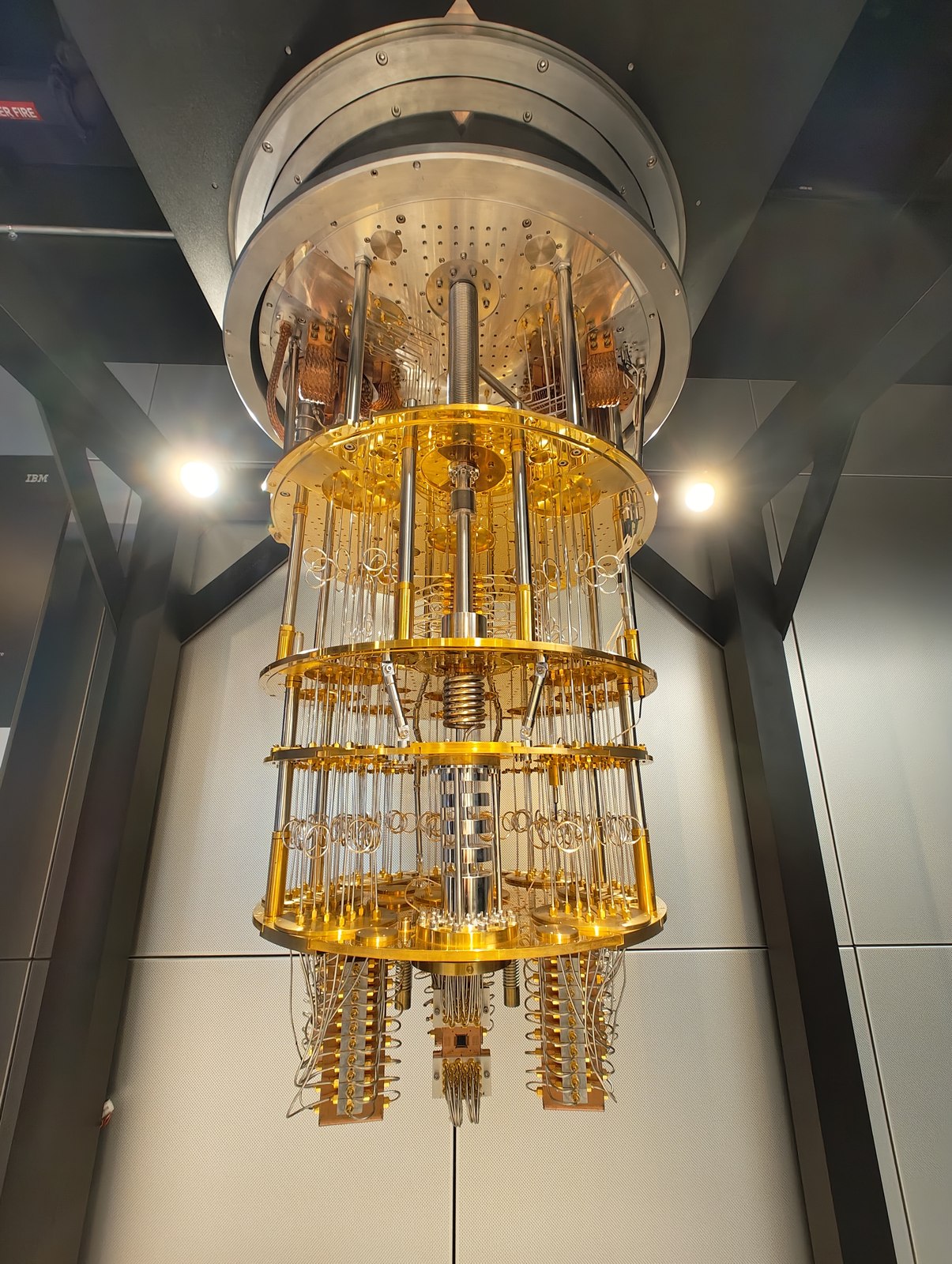
The conjecture asks a basic question about quantum computing: when can a quantum computer solve a problem exponentially faster than a classical one? Well-known examples of large speedups exploit hidden structure in the input. The conjecture provides a mathematical bound for problems with random inputs in the setting studied by Scott Aaronson and Andris Ambainis.
What others can check
PSI says its system reached a full proof on the third day and later improved the result. Researcher David Turturean built the system, scoped the problem and reviewed the manuscript. PSI also says a Stanford group that settled a special case in August has read the proof and sent comments.
Lean lets other researchers replay the formal check. Whether the formal statement matches the original conjecture is a separate question, as State of Proof points out. The public files make that scrutiny possible. The model PSI used remains private.
Our sources
- A proof of the Aaronson–Ambainis conjecture ↗Physical Superintelligence · 6 November 2026 · Checked 7 November 2026
- Paper, Lean formalisation and verification notes ↗Physical Superintelligence / GitHub · 6 November 2026 · Checked 7 November 2026
- Paper Watch: A proof of the Aaronson–Ambainis conjecture ↗State of Proof · 6 November 2026 · Checked 7 November 2026
- Unreleased Anthropic model helps solve major quantum computing problem ↗Business Insider · 6 November 2026 · Checked 7 November 2026
AI tools assist our editors. Articles are published after human approval. Practical examples are ΠΕΡΑ analysis unless stated otherwise. How we work