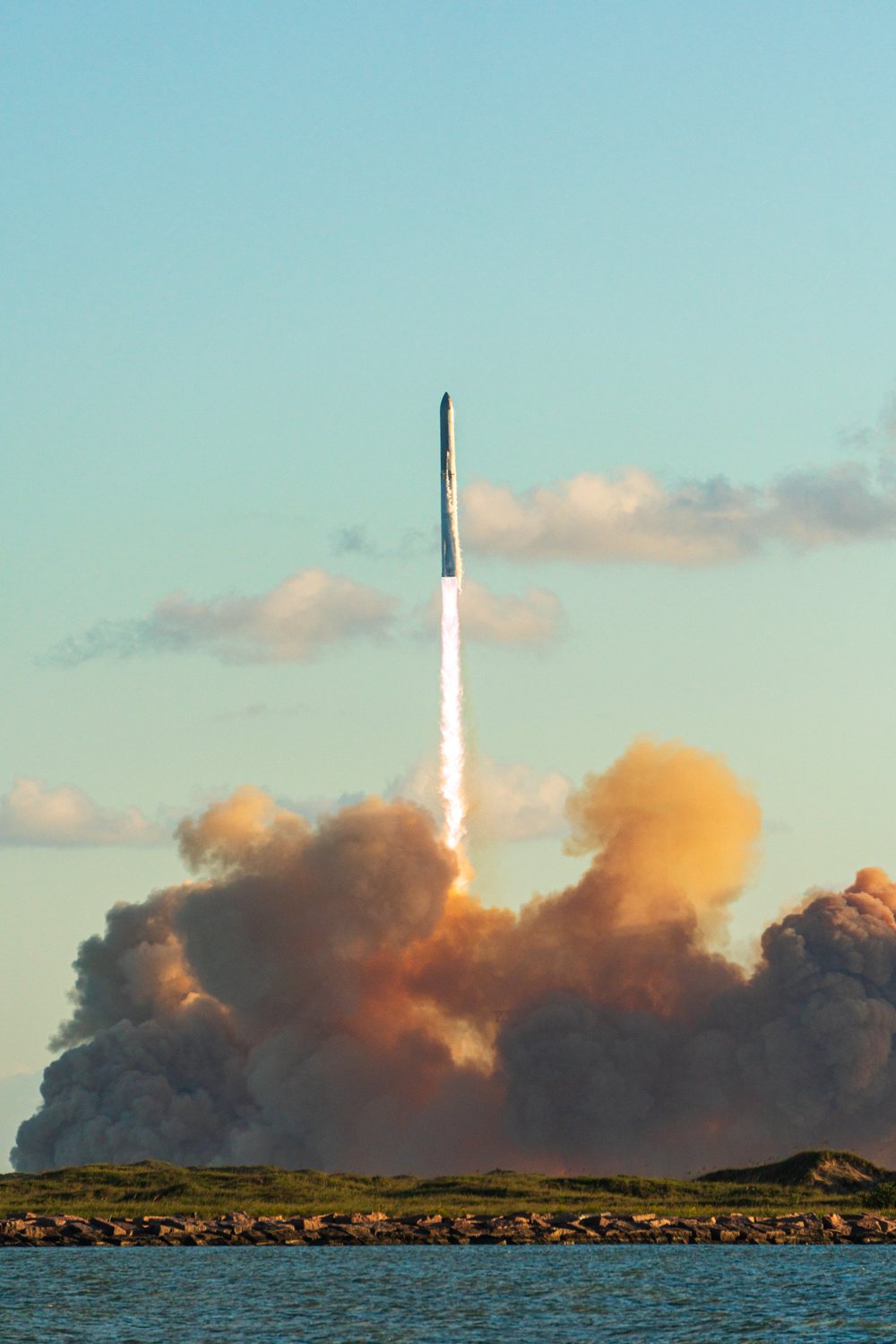
The arms of SpaceX’s launch tower at Starbase, Texas, caught Starship’s upper stage on November 14 after it returned from orbit. It was the first catch of the spacecraft after an orbital flight. Flight 15 had lifted off the previous day. As the flight ended, Ship 42 slowed near the tower and the two arms held it upright.
The planned double recovery did not happen. Super Heavy, the booster that gives the system its initial thrust, did not return to the tower. SpaceX has caught boosters on earlier tests. This time the breakthrough was recovering the spacecraft that had reached orbit and passed back through the atmosphere.
From recovery to another launch
Recovering the spacecraft makes it available for inspection. Engineers can examine how its heat protection and other systems held up rather than relying solely on telemetry from a return to the ocean.
The savings SpaceX is aiming for depend on whether spacecraft can be made ready to fly again quickly. The flight demonstrated that the upper stage could return to the tower and be recovered. Repeating that operation, establishing the inspection time and recovering both stages remain separate challenges.
Our sources
- Starship Flight 15 mission profile ↗SpaceX · Checked 15 November 2026
- SpaceX's Starship aces first return to Texas ↗Reuters · 14 November 2026 · Checked 15 November 2026
- Watch SpaceX execute the first Starship catch ↗The Verge · 14 November 2026 · Checked 15 November 2026
AI tools assist our editors. Articles are published after human approval. Practical examples are ΠΕΡΑ analysis unless stated otherwise. How we work